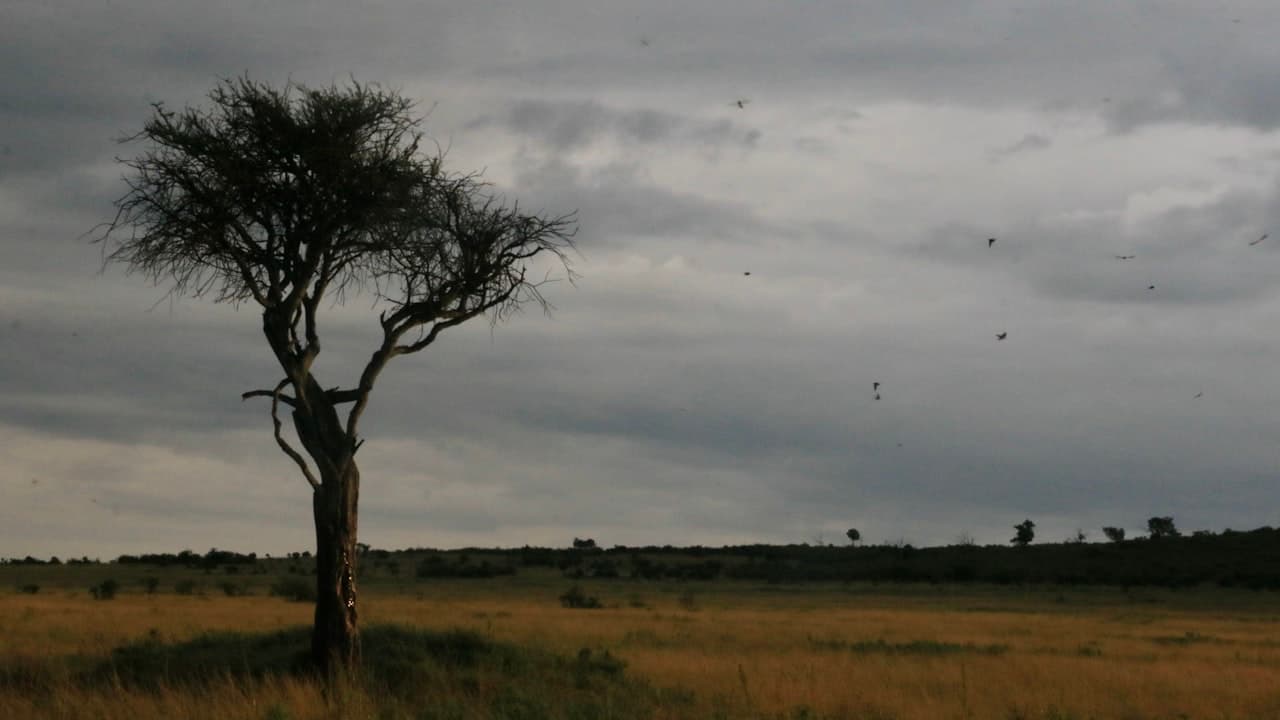
Zimbabwe has two distinct seasons that shape solar production in very different ways. Understanding both -- and planning your battery capacity around the worst stretches -- is the difference between a system that carries you through the year and one that leaves you short when you need it most.
Let's walk through what actually happens on your roof across the calendar.
The Two Seasons at a Glance
| Factor | Dry Season (May-Oct) | Wet Season (Nov-Apr) |
|---|---|---|
| Rainfall | Virtually none | Heavy, afternoon thunderstorms |
| Cloud cover | Clear skies most days | Frequent cloud, especially afternoon |
| Day length | ~11 hours | ~13 hours |
| Temperature | Cool mornings, mild days | Hot, humid |
| Panel temp | Lower (good for efficiency) | Higher (reduces output) |
| Dust/soiling | Heavy accumulation | Rain cleans panels naturally |
| Peak sun hours (PSH) | 5.5-7.0 | 4.5-6.0 |
| Best production day | Excellent | Good (when clear) |
| Worst production day | Rare -- almost always clear | Very poor (full overcast) |
The dry season wins on consistency. The wet season has higher potential but less predictability.
Dry Season: Clear Skies, Shorter Days
From May through October, Zimbabwe gets almost no rain. The skies are reliably clear, and your panels produce steadily from sunrise to sunset with minimal cloud interruption.
The Advantages
Predictable output. Day after day of blue sky means your solar production is consistent and easy to plan around. If your panels generated 20kWh yesterday, they'll generate close to 20kWh today.
Cooler panel temperatures. June and July mornings can drop below 10 degrees C in Harare. Even midday temperatures stay in the low-to-mid 20s. Cooler panels are more efficient panels -- for every degree below 25 degrees C, your panels actually produce slightly more than their rated output.
Less humidity. Dry air means less atmospheric scattering of sunlight. The light hitting your panels is more direct and intense per hour of sunshine.
The Disadvantages
Shorter days. The sun rises later and sets earlier. In Harare, a June day gives you roughly 11 hours from sunrise to sunset, with productive solar hours (when the sun is high enough to generate meaningful power) closer to 8-9 hours. That's 2-3 fewer productive hours than a December day.
Dust and soiling. This is the dry season's biggest problem. Months without rain mean dust, pollen, bird droppings, and fallen leaves accumulate on your panels with no natural washing. A dirty panel can lose 10-25% of its output depending on how severe the soiling is.
Clean your panels at least once a month during the dry season. A garden hose and soft cloth in the early morning (before the panels heat up) takes 15 minutes and can recover 10-15% of lost output. Never use abrasive cleaners or high-pressure washers -- they damage the anti-reflective coating.
Lower sun angle. In winter, the sun tracks lower across the sky. If your panels are mounted flat or at a low tilt, they capture less energy. Panels tilted at your latitude angle (roughly 18-22 degrees for most of Zimbabwe) partially compensate for this.
Wet Season: Longer Days, Unpredictable Clouds
From November through April, Zimbabwe gets most of its annual rainfall. The wet season brings longer days but also frequent cloud cover, especially in the afternoon when thunderstorms build.
The Advantages
Longer days. December days stretch to 13+ hours, with productive solar hours of 10-11. That's significantly more generation time than winter.
Rain cleans your panels for free. A good thunderstorm washes away months of accumulated dust. After a heavy rain, your panels are as clean as the day they were installed. This "free maintenance" is one of the wet season's underrated benefits.
Morning production is often excellent. Wet season days typically start clear. The mornings -- from sunrise through midday -- often produce at or near full rated output. The clouds and storms usually build in the afternoon.
The Disadvantages
Afternoon cloud and storms. This is the defining challenge. By 1-2 PM, cumulus clouds often build, and by 3-4 PM, full thunderstorms can roll in. Your afternoon production drops dramatically -- sometimes to near zero during heavy storm cells.
High panel temperatures. Wet season heat pushes daytime temperatures above 30-35 degrees C, and panels sitting in full sun reach 55-65 degrees C. At those temperatures, monocrystalline panels lose about 10-12% of their rated output due to temperature derating.
Consecutive overcast days. While individual cloudy afternoons are manageable, the wet season occasionally delivers 2-4 consecutive days of heavy overcast. During these stretches, daily production can drop to 30-50% of normal. This is the scenario that drains batteries and exposes undersized systems.
Consecutive overcast days are the real stress test for your battery bank. A system that handles normal daily cycling fine can run out of stored energy after 2-3 days of poor production. This is where battery sizing for worst-case scenarios matters most.
The Counterintuitive Truth: Monthly Totals Are Closer Than You'd Think
Here's what surprises most people. Despite the wet season's cloud cover and storms, monthly energy production across the two seasons is often remarkably similar.
Why? The longer days offset the cloud losses.
Consider Harare as an example:
| Month | Season | Avg PSH | Day Length | Typical Daily Output (4kW system) |
|---|---|---|---|---|
| January | Wet | 5.0 | 13.1 hrs | ~18-20kWh |
| April | Wet | 5.5 | 11.8 hrs | ~20-22kWh |
| June | Dry | 6.0 | 10.9 hrs | ~22-24kWh |
| August | Dry | 6.5 | 11.4 hrs | ~24-26kWh |
| October | Dry | 6.0 | 12.5 hrs | ~22-24kWh |
| December | Wet | 4.8 | 13.3 hrs | ~17-19kWh |
The best single days happen in the dry season (clear sky + reasonable day length). But the worst single days also happen in the wet season (full overcast). Monthly averages smooth out closer than the daily extremes suggest.
The practical implication: if your system is sized for your annual average consumption, it will perform acceptably across both seasons. The challenge isn't the seasonal average -- it's the multi-day stretches within the wet season when production drops significantly.
Battery Planning for Worst-Case Stretches
Your battery capacity shouldn't be sized for an average day. It should be sized for the worst realistic stretch you'll face -- which in Zimbabwe means 2-4 consecutive heavily overcast wet-season days.
How to Think About It
On a normal day, your panels recharge your battery fully by midday, and you run on solar for the rest of the afternoon. The battery only needs to cover the evening and overnight hours -- typically 8-12 hours.
On a fully overcast day, your panels might produce only 30-50% of normal. The battery needs to cover the shortfall during the day and the full overnight period. If that happens two days in a row, the battery starts each morning with less charge than the day before.
Rule of Thumb for Zimbabwe
- Hybrid systems (grid backup available): Size your battery for 1 day of autonomy. The grid covers extended cloudy stretches.
- Off-grid systems: Size for 2-3 days of autonomy to ride out wet-season cloud banks without running a generator.
One day of autonomy means your battery can power your essential overnight loads (fridge, lights, Wi-Fi, charging) for one full night even if the panels produced nothing that day.
The SolMate sizing calculator adjusts battery recommendations based on your chosen system type (hybrid vs off-grid) and location. Off-grid recommendations include extra capacity specifically for wet-season resilience.
Size Your System
Calculate the right panels, batteries, and inverter for your home.
Dust in the Dry Season vs Rain in the Wet Season
The impact of panel cleanliness is often underestimated.
Dry Season Soiling
From May through October, dust accumulates steadily. In urban areas like Harare, the soiling rate is moderate -- maybe 1-2% output loss per week without cleaning. In farming areas or near unpaved roads, it can be worse. By the end of a dry season without any cleaning, panels can be producing 15-25% below their clean output.
The fix is simple: clean your panels monthly during the dry season. Water and a soft cloth. Early morning before they heat up.
Wet Season Self-Cleaning
Rain is a natural panel cleaner. Even a brief afternoon shower washes off most accumulated dust. During the wet season, your panels stay cleaner with zero effort from you. This partially compensates for the cloud-related production losses -- your panels produce less per hour of sunshine, but the sunshine they do get hits cleaner glass.
Thunderstorms and Surge Protection
The wet season brings lightning. Zimbabwe's highveld is one of the highest-lightning-density regions in Southern Africa, and a nearby strike can send a voltage surge through your electrical system that damages your inverter, charge controller, or battery BMS.
Protect your system with surge protection devices (SPDs) on both the AC and DC sides of your inverter, proper earthing of all metal frames and equipment, and lightning arrestors on the panel array if your roof is the highest point in the area.
Surge damage from lightning is not always covered by equipment warranties. Some manufacturers void the warranty if adequate surge protection wasn't installed. Confirm that SPDs are included on both the AC and DC sides.
Seasonal Tips for Zimbabwe Solar Owners
Dry Season (May-October)
- Clean panels monthly -- the single highest-impact maintenance task
- Run heavy loads during solar hours to take advantage of consistent production
- Best time for installation work -- no rain interruptions, easy roof access
Wet Season (November-April)
- Monitor battery state of charge more carefully during overcast stretches
- Shift heavy loads to morning hours when skies are typically clearest
- Check surge protection devices before storm season begins
- Don't clean panels obsessively -- rain handles it for you
Using the Forecast to Plan Your Day
The SolMate PV forecast tool combines live weather data with your location's solar profile to give you an hour-by-hour production estimate. During the wet season, this becomes especially valuable.
Check the forecast in the morning to see whether the afternoon looks clear or cloudy. If storms are predicted for 2 PM onwards, front-load your heavy appliance usage (washing machine, borehole pump, ironing) into the morning solar window. If the forecast shows clear skies all day, you have more flexibility.
The PV forecast updates throughout the day as weather conditions change. During the wet season, check it again around midday to adjust your afternoon plans if the cloud forecast has shifted.
PV Forecast
See today's solar output and the best times to run loads.
Key Takeaways
- Dry season delivers consistent, predictable production but with shorter days and dust accumulation.
- Wet season has longer days but unpredictable afternoon cloud cover and storms.
- Monthly totals are surprisingly similar -- longer days offset cloud losses.
- Consecutive overcast days are the real battery challenge, not average seasonal differences.
- Clean your panels in the dry season; let the rain handle it in the wet season.
- Surge protection is essential for thunderstorm season -- protect your inverter and battery from lightning.
- Use the PV forecast to plan heavy loads around weather patterns, especially during the wet season.